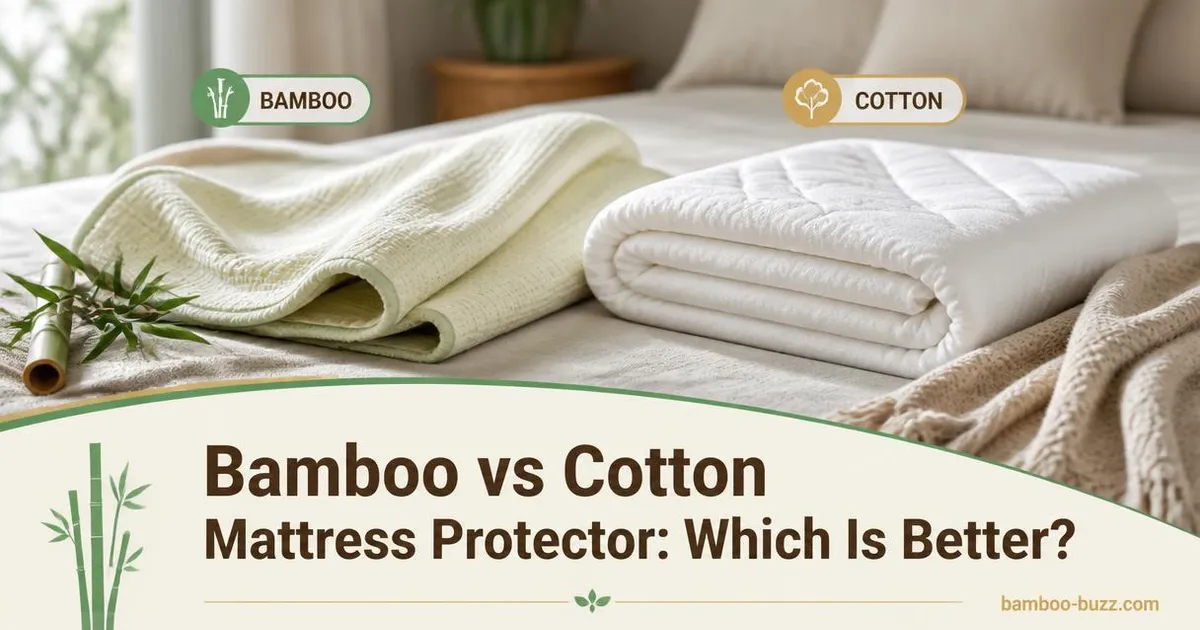
Bamboo vs Cotton Mattress Protector: Which Is Better?
A mattress protector does one job: keeps your mattress clean so it lasts longer. But the fabric on top of that protector changes how it feels, how it breathes, and how long it survives your washing machine. Two materials dominate the conversation – bamboo-derived fabric and cotton – and they trade off in ways that matter more than most product pages admit.
The real question isn’t which fiber is better. It’s which one fits how you sleep, how often you wash your bedding, and whether your skin throws a fit when something rubs against it all night. Here’s what actually differs between the two.
Key Takeaways
- Bamboo mattress protectors are marketed as highly breathable, smooth, and naturally antimicrobial, though viscose processing affects how much of that survives.
- Cotton mattress protectors are straightforward: easy to wash, hold up well over repeated laundering, and use a natural fiber most people already know how to care for.
- Hot sleepers generally prefer bamboo’s breathability, while those with allergies should weigh antimicrobial claims against their own skin sensitivity.
- Durability depends on fabric weight and weave quality as much as the fiber itself – a thin bamboo blend won’t outlast a dense cotton percale.
- Neither bamboo nor cotton is waterproof on its own. If waterproofing matters, look for a protector with a specific waterproof backing layer regardless of the top fabric.
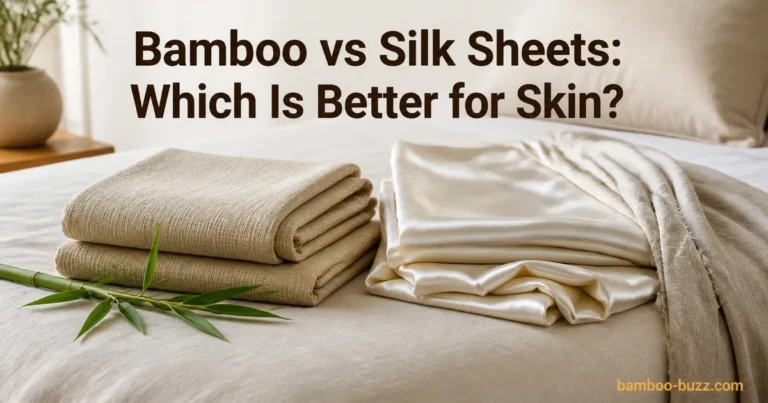
A closer look at how bamboo batting compares to cotton batting for bedding, including moisture control and durability.
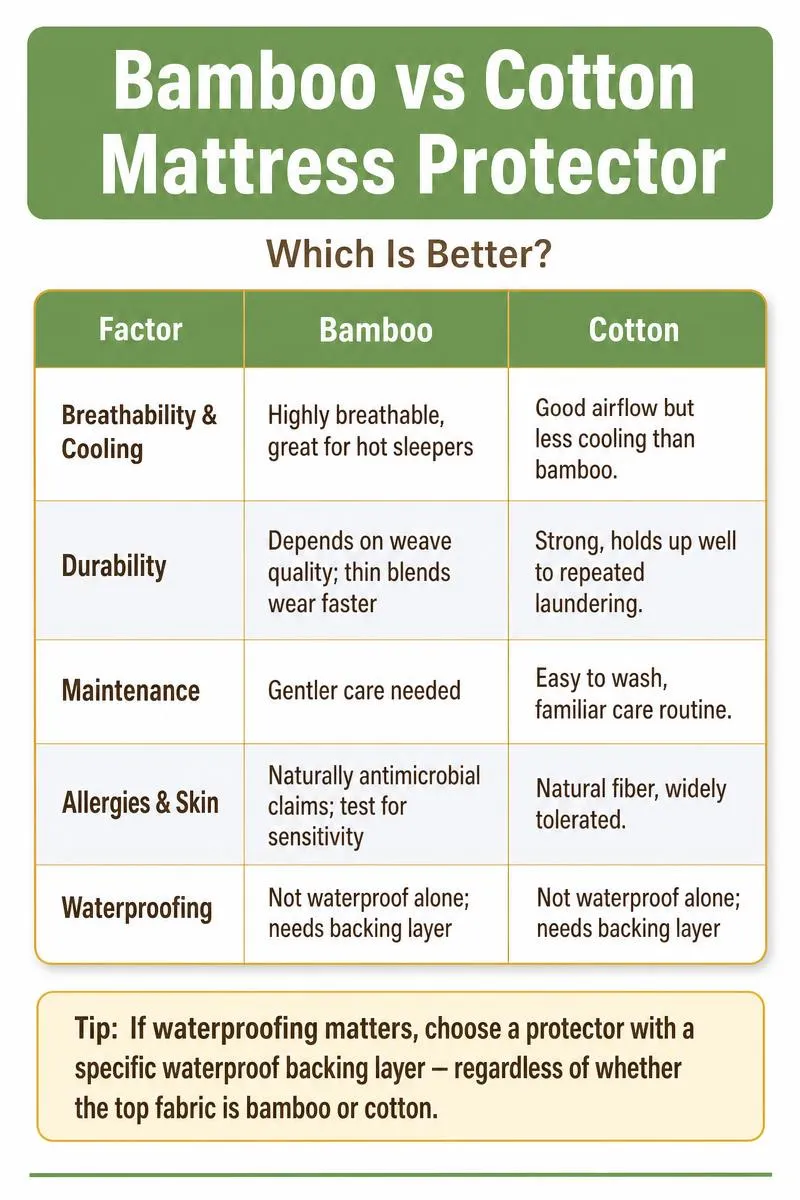
Quick Comparison: Bamboo Vs Cotton Mattress Protector
| Factor | Bamboo | Cotton |
|---|---|---|
| Breathability & cooling | Highly breathable; great for hot sleepers | Good airflow; less cooling than bamboo |
| Durability | Depends on weave; thin blends wear faster | Strong; holds up to repeated laundering |
| Maintenance | Gentler care needed | Easy to wash; familiar care routine |
| Allergies & skin | Naturally antimicrobial claims; test for sensitivity | Natural fiber; widely tolerated |
| Waterproofing | Not waterproof alone; needs backing | Not waterproof alone; needs backing |
What Is a Bamboo Mattress Protector?
A bamboo mattress protector uses fabric derived from bamboo pulp – typically bamboo viscose, sometimes blended with cotton or polyester – to create a barrier between you and the mattress. The top layer catches body oils, sweat, and dust before they reach the mattress surface.
Bamboo protectors appeal most to hot sleepers and people with sensitive skin or allergy concerns. The fabric tends to feel smoother than standard cotton, almost silky, which reduces friction against the skin overnight.
What works: Bamboo-derived fabric is consistently described as highly breathable, meaning air moves through it more easily than through denser weaves. The raw bamboo plant produces bamboo kun, a compound with mild antibacterial properties. Bamboo viscose also tends to feel softer against the skin than comparably priced cotton.
What doesn’t: Bamboo fabric isn’t inherently waterproof – it handles moisture the way any woven fabric does. Quality and feel also vary significantly depending on the blend ratio and weave, so two bamboo protectors can feel completely different from each other.
What Is a Cotton Mattress Protector?
A cotton mattress protector uses woven cotton fabric to shield the mattress from dust, dirt, and everyday wear. Cotton has been the default bedding material for generations, and most people already know what to expect from it.
Cotton protectors suit buyers who want easy cleaning and familiar comfort without surprises. You toss them in the wash, you dry them, you put them back on.
What works: Cotton is easy to clean and tolerates hot water, regular detergent, and machine drying without much fuss. It’s highly durable when the weave is tight and the fabric weight is sufficient. Soft enough for daily use, structured enough to stay in place.
What doesn’t: Like bamboo, cotton isn’t waterproof unless the protector includes a specific waterproof layer. Breathability also varies by construction: a lightweight cotton percale breathes well, while a heavy cotton terry cloth can feel warm and dense.
Bamboo vs Cotton Mattress Protector: Breathability and Cooling
Bamboo-derived fabric is consistently described as highly breathable in product comparisons and user feedback. The viscose fibers are smooth and round in cross-section, which creates tiny gaps in the weave that let air circulate. This structure also wicks moisture away from the skin rather than trapping it.
Cotton breathes too, but how well depends entirely on construction. A loose percale weave in lighter cotton feels cool and airy. A dense sateen or heavy terry cloth cotton traps more heat and can feel warm against the skin, especially in humid conditions.
Winner: Bamboo for hot sleepers and warm climates. Cotton can be perfectly comfortable, but you have to pay attention to the weave and weight to get comparable airflow. Bamboo’s breathability is more consistent across different products.
You Might Also Like
Bamboo charcoal vs activated charcoal
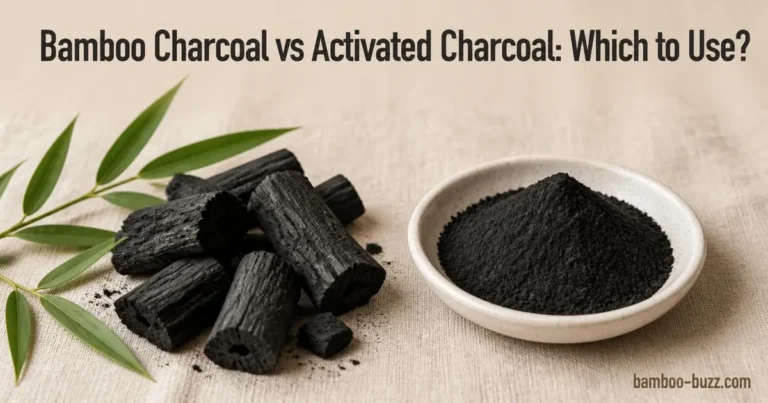
Details how bamboo charcoal differs from activated charcoal for odor and moisture management in bedding.
Bamboo vs Cotton Mattress Protector: Durability and Maintenance
Cotton handles repeated washing better than bamboo viscose. Hot water, regular detergent, and machine drying are standard for cotton protectors, and the fibers hold their structure through many wash cycles. Cotton also resists pilling and maintains its weave integrity longer under rough treatment.
Bamboo viscose is softer than cotton, but that softness comes from fine fibers that are more vulnerable to friction and heat. Washing bamboo in hot water or drying it on high heat can break down the fibers faster, leading to pilling and thinning over time. Gentle cycles, cool water, and air drying or low heat help bamboo protectors last longer.
Winner: Cotton for frequent washing and rougher use. Bamboo is manageable with careful laundering, but cotton takes less thought and tolerates more punishment.
Bamboo vs Cotton Mattress Protector: Allergies and Sensitive Skin
Bamboo is marketed as antimicrobial and hypoallergenic. The raw bamboo plant contains bamboo kun, which has mild antibacterial properties. However, most bamboo fabric goes through a viscose process that dissolves the pulp in chemical solvents, and much of the bamboo kun doesn’t survive that process. Any residual antimicrobial effect varies by manufacturer and process.
Cotton is a natural fiber that has long been recommended for sensitive skin. It doesn’t require chemical processing to the same degree as bamboo viscose, and organic cotton is grown without synthetic pesticides. Many people with skin sensitivities already know how cotton feels and reacts for them.
Individual reactions still depend on other factors: waterproof backing materials like polyurethane film, dyes used in the fabric, and specific fiber blends can all cause irritation regardless of whether the top layer is bamboo or cotton.
Winner: Condition-based. Bamboo makes sense if antimicrobial properties matter to you, even partially. Cotton makes sense if you prefer simple natural fiber familiarity and want fewer variables in the manufacturing chain.
Which Should You Choose?
Hot sleepers: Bamboo. The smooth fiber surface reduces heat-trapping friction against the skin.
Easy-care buyers: Cotton. Hot water, regular detergent, machine drying – cotton takes all of it without complaint. Weekly washers will appreciate that toughness.
Allergy-prone sleepers: Bamboo. Even a partial antimicrobial effect could matter for people managing allergies or skin reactions.
Natural-fiber shoppers: Cotton. You know what cotton feels like. You know how to wash it.
Waterproofing: Look for a protector with a specific waterproof layer – usually a polyurethane or TPU membrane – regardless of whether the top fabric is bamboo or cotton. Neither fiber stops liquid on its own.
Also Worth Checking Out
Covers absorbency and quick-dry properties of bamboo bath mats that relate to mattress protector breathability and…
FAQs About Bamboo and Cotton Mattress Protectors
Which fabric is best for mattress protectors?
There’s no single best fabric. Bamboo viscose offers better breathability and a smoother feel; cotton offers easier care and longer wash durability. The best choice depends on how you sleep and how often you wash.
Are bamboo mattress protectors good?
Yes, for most people. Bamboo protectors breathe well, feel smooth against the skin, and may retain some antimicrobial properties from bamboo kun. The main caveat: quality varies by blend and weave, so check what the protector is actually made of.
Is cotton better than bamboo for a mattress protector?
Cotton is better if you wash frequently, use hot water, and want a fiber that tolerates rough handling. Bamboo is better for hot sleepers who prioritize breathability and a smooth feel over laundry simplicity.
What is the coolest material for a mattress protector?
Bamboo viscose tends to run cooler than cotton because of its consistent breathability and moisture-wicking structure. Lightweight cotton percale can also feel cool, but you have to check the weave to know what you’re getting.
Are bamboo mattress protectors waterproof?
No – bamboo fabric handles moisture like any woven material. If you need waterproofing, look for a protector with a specific waterproof backing layer, typically a polyurethane or TPU membrane, underneath the bamboo top fabric.
Is there a 100% cotton mattress protector available?
Yes. Many cotton protectors use 100% cotton for the top layer, though some include a waterproof backing made from polyurethane or TPU. Check the product description to confirm the fiber content of both the top layer and the backing.
What are the downsides of using a mattress protector?
Some protectors can change the feel of your mattress surface – adding texture, warmth, or a slight crinkle noise if they have a waterproof backing. Cheap waterproof membranes can trap heat. A well-made protector minimizes these issues, but any extra layer adds something between you and the mattress.
What type of mattress protector is the best?
The best type depends on your priority. For breathability, bamboo viscose. For durability and easy care, cotton. For waterproofing, any protector with a polyurethane or TPU membrane – regardless of top fabric.
Is it better to sleep on cotton or bamboo sheets?
Bamboo sheets tend to feel cooler and smoother than cotton sheets, which suits hot sleepers. Cotton sheets are more durable and easier to care for.
What is the best natural mattress protector?
Both bamboo and cotton are natural-fiber options. Cotton skips the chemical solvents used in bamboo viscose processing, so if minimal processing is your priority, cotton – especially organic cotton – is the more straightforward choice. If breathability and smoothness matter more, bamboo viscose delivers those qualities from a natural source.
Final Verdict
Choose bamboo if breathability and any antimicrobial edge matter most to your sleep. Choose cotton if you want proven wash durability and the simplest care routine. Night sweats tip the choice toward bamboo; a weekly wash routine favors cotton.
The fiber is half the equation – the other half is how the protector is built. Before you buy either one, check the product specs for a waterproof backing layer and a pocket depth that fits your mattress. A bamboo or cotton top fabric only does its job if the protector underneath actually works.
External References
- bamboo fiber antibacterial effect (a review) – ResearchGate
- ‘Bamboo’ Fabrics – FTC
- Is Bamboo Clothing Durable? How Long Does … – Netdraw
- Trends on the Cellulose-Based Textiles: Raw Materials … – PMC – NIH (NCBI)
- Resistance of natural bamboo fiber to microorganisms and … – NCSU (.edu)
- Surface Coating of Plastic Parts and Products – EPA